Skip to content

Speaking

Give your audience
something to argue about.

Keynotes, interactive sessions, moderated conversations and fireside chats for conferences, festivals, leadership events and professional gatherings. Every talk is shaped around your audience and your theme.

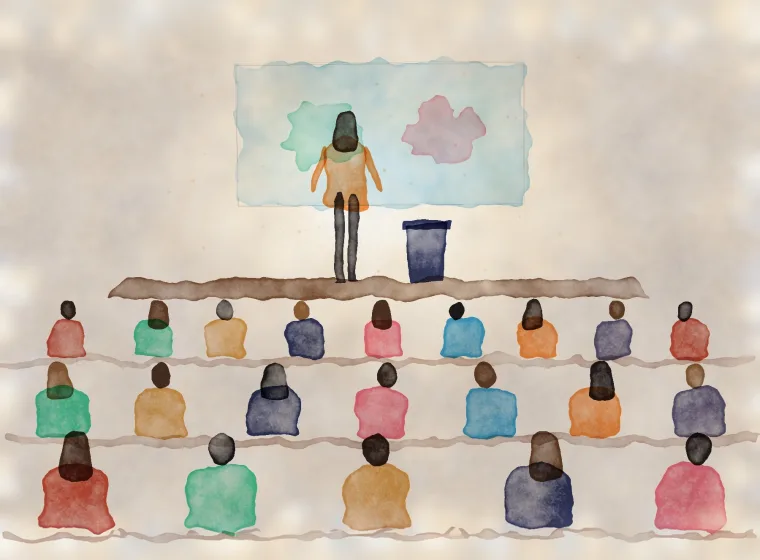
Watercolour illustration: a speaker at a lectern addresses rows of seated audience members.

Why book us

Ideas an audience can use on Monday.

Our talks combine the psychology of how people think with the history of why some disagreements cut so deep. Audiences leave with a sharper way of seeing their own conversations, and something practical to try.

  • A planning call to understand your audience and goals
  • Content tailored to your theme, sector and room
  • Q&A handled with care, including the difficult questions
  • A short follow-up resource for attendees

Talks

Talks we’ve given.

A selection from conferences, leadership events and public forums, in business, government and the community.

  • The Price of Silence

    Why organisations hear less than they need to, what it costs them, and what leaders can do to make the next difficult truth easier to say.

    For leadership forums, boards and professional associations

  • Disagree Better, Build Together

    Disagreement isn’t the opposite of collaboration; it’s what makes collaboration worth having. Why the ability to disagree well is the most underrated capability in organisational life, and how to build it.

    For conferences, leadership retreats and all-staff events

  • Safe From What?

    Psychological safety was meant to make it easier to speak up. In some workplaces it now means never feeling uncomfortable, and that makes honest challenge harder. Why safety and comfort are not the same thing, and how to build teams that can hear hard truths.

    For people and culture leaders, executives and HR conferences

  • The Meeting After the Meeting

    Everyone nods in the room, then the real conversation happens in the corridor. What that says about a culture, what it costs, and how leaders bring frank and fearless advice back to the table where decisions are made.

    For public sector and corporate leadership teams

  • Why Clever People Dig In

    The psychology of certainty: why capable people defend positions the evidence has left behind, and how to change your mind without losing face.

    For any audience

  • The Past in the Room

    Why history, memory and identity make some disagreements feel personal, and how leaders and communities can work with that rather than around it.

    For community, cultural and public sector audiences

  • Whose Experience Counts?

    Lived experience has become one of the most powerful forms of authority in public life, and one of the most contested. When should personal experience settle an argument, and when should it open one? How to honour what people have lived through while still weighing evidence and hearing those whose experience differs.

    For public sector, health, community and HR audiences

  • They’re Not Who You Think

    Most of us badly misjudge the people on the other side of a divide, imagining them as more extreme, more hostile and more united than they really are. Why that gap exists, how news and social media widen it, and what it takes to close it.

    For conferences, community and leadership audiences

Try it yourself

Pick a
perspective.
Then step into
the other one.

It’s the heart of A Brave Conversation, Live: the most thoughtful version of a view you don’t hold, put fairly and without a caricature.

The prompt

Everyone’s salary at work should be visible to everyone.

Another perspective

I mostly agree: [Placeholder] The strongest case for open salaries: secrecy protects unfair gaps, and people can only challenge what they can see.

I mostly disagree: [Placeholder] The strongest case against: pay reflects private circumstances and negotiations, and full visibility can breed resentment without fixing the underlying system.


Formats

The right shape for the room.

Talks

  • 30–60 min

    Keynote

    A single big idea for a large room, built to open a conference or set its tone.

  • 60–120 min

    Interactive session

    A talk that turns into practice. Audiences try the skills, in pairs and small groups.

  • Any length

    Moderator

    We moderate panels and fireside chats where speakers see things differently, and keep the exchange honest and useful.

  • 45–75 min

    In conversation

    A live, unscripted exchange between the two of us, or with your guest, followed by questions.

Workshops and programs

  • 4 hours

    Working Through Tension

    A hands-on workshop for teams. People learn to notice their reactions, question the story and practise the conversations they’ve been avoiding.

  • 4 hours

    Leading Through Divides

    For leaders holding a team or community together when views split: staying steady, inviting dissent and making decisions people can live with.

  • 3 days

    Train the Trainer

    We prepare your own people to run Brave Conversations sessions, with the materials, practice and feedback to do it well.

  • 12 months

    Culture Change Partnership

    A year of workshops, leadership coaching and review, built around your goals so new habits take hold and last.

Speakers

Two speakers, two lenses.

  • Farid Zaid

    Cognitive scientist

    We draw on research into how people reason, decide and react to threat, and turn it into tools people can use the next morning.

  • Daniel Heller

    Historian

    Speaks on identity and belonging, the histories people carry into conflict, and leading through public controversy.

Speaking enquiry